







Road traffic markings can be classified into eight types:
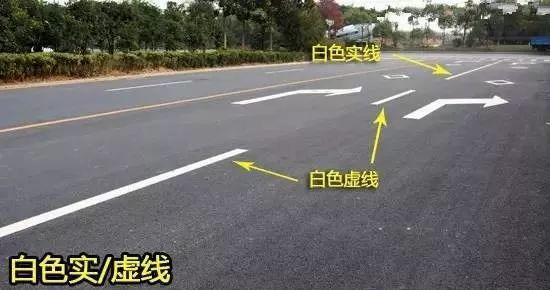
White dashed lines:When painted in the middle of a road segment, they are used to separate traffic flows traveling in the same direction or as a safe distance indicator; when painted at intersections, they are used to guide vehicle movement.
White solid lines:When painted in the middle of a road segment, they are used to separate motorized and non-motorized vehicles traveling in the same direction, or to indicate the edge of the roadway; when painted at intersections, they can be used as guide lane lines or stop lines.
Yellow dashed lines: When painted in the middle of a road segment, they are used to separate opposing traffic flows; when painted on the side of the road or on the curb, they are used to prohibit vehicles from parking on the roadside for extended periods.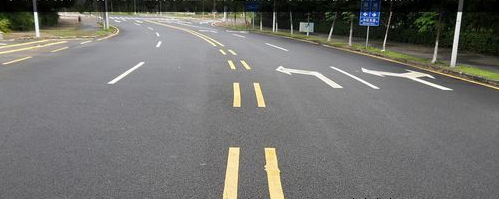
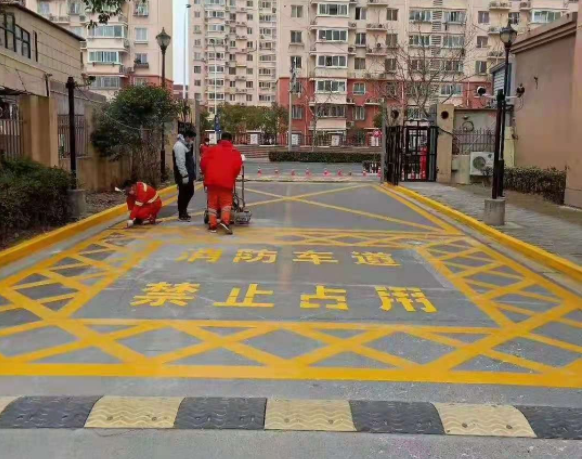
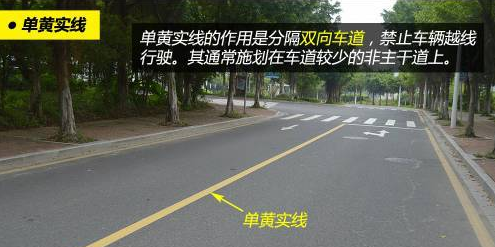
4. Solid yellow line: When painted in the middle of a road section, it is used to separate opposing traffic flows; when painted on the side of the road or on the curb, it is used to prohibit vehicles from parking on the roadside for a long time or temporarily.
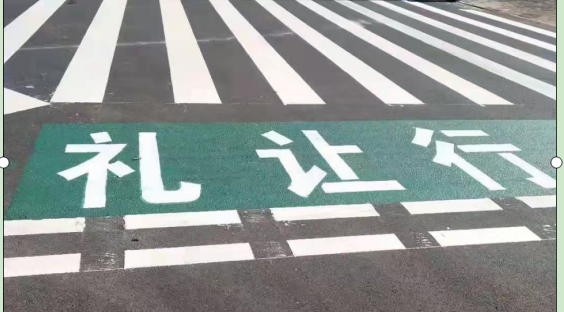
Double white dashed lines: When drawn at intersections, they serve as yield lines; when drawn in the middle of a road segment, they serve as variable lane lines where the direction of travel changes over time.
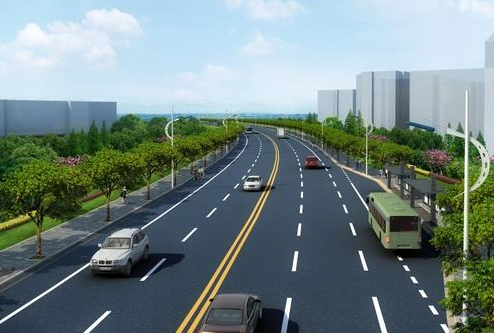
6. Double solid yellow lines: When painted in the middle of a road segment, they are used to separate traffic flows traveling in opposite directions.
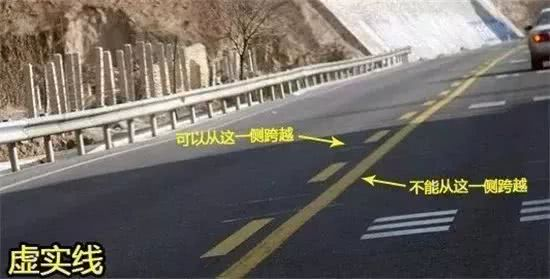
Yellow dashed and solid lines: When painted in the middle of a road segment, they are used to separate opposing traffic flows; vehicles are prohibited from overtaking, crossing or turning on the side with a solid yellow line, while vehicles are permitted to overtake, cross or turn on the side with a dashed yellow line, provided it is safe to do so.
Double solid white lines: When painted at intersections, they serve as stop lines.
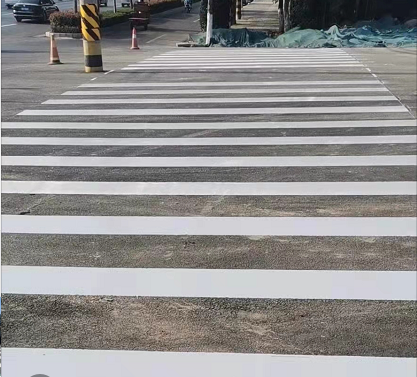
Road traffic markings can be divided into three types according to their function:
Indicative markings: Markings that indicate the carriageway, driving direction, road edge, sidewalk, and other facilities.
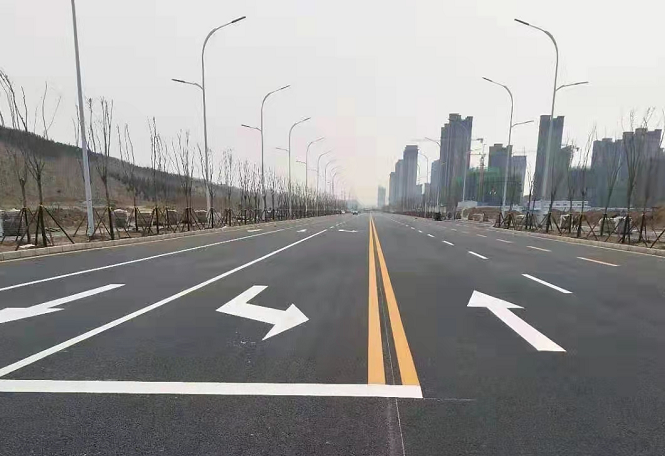
Prohibitory markings: Markings that indicate special regulations for road traffic, such as compliance, prohibition, and restrictions, and which drivers and pedestrians must strictly abide by;
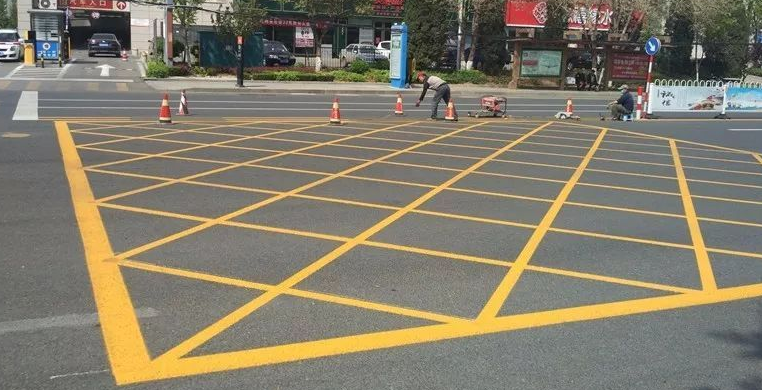
Warning markings: Markings that prompt drivers and pedestrians to be aware of special road conditions, increase their vigilance, and prepare to take preventative or emergency measures.