








Even with identical road marking paint and construction crews, the finished results differ drastically between summer and winter construction.Factors including temperature, humidity, pavement surface temperature, and paint drying speed all shift dramatically with the seasons.
If you want crack-free, peel-resistant, wrinkle-free, fully cured road markings…Be sure to bookmark this guide!
Part 1 Summer Road Marking Construction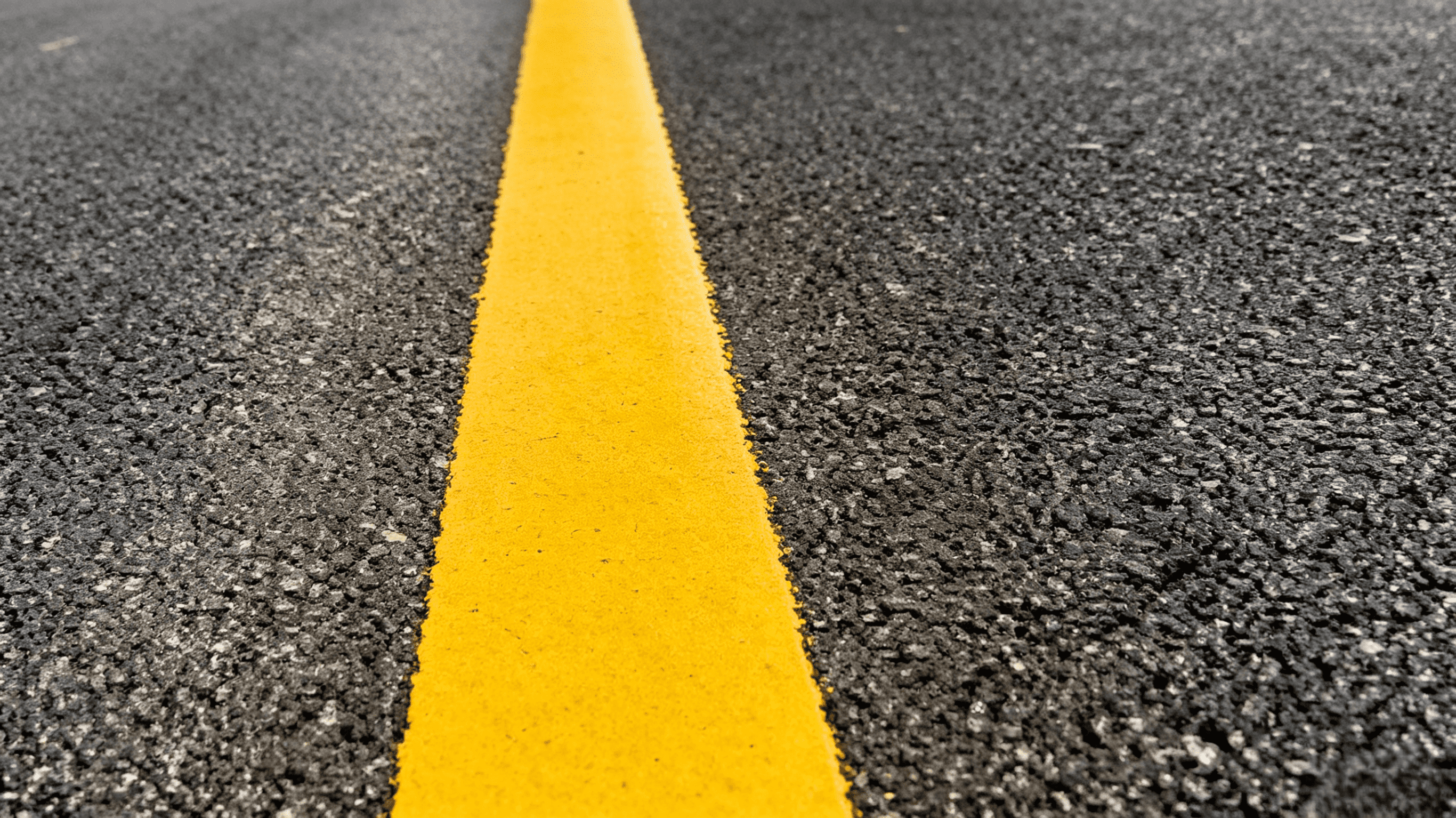
Core risks: Excessive heat, ultra-fast surface drying
High temperatures, intense sunlight and scorching pavement in summer accelerate paint curing drastically, leading to frequent construction defects.
1. Risk of wrinkling & blistering from overheated pavementWhen pavement surface temperature exceeds 50°C, the paint forms a dry surface film instantly after application while the inner layer remains uncured, resulting in wrinkling and blisters.Schedule construction during cool morning and evening hours; avoid working under midday direct sunlight.
2. Rapid drying shortens usable working timeFor cold-applied road marking paint, the usable pot life after opening is shortened under high heat, causing thickening and stringing easily.Mix smaller batches frequently; avoid preparing large volumes of paint at once.
3. No construction before or after rainfallSudden showers are common in summer. Do not construct if rain is expected within 2 hours prior, and protect fresh markings from rain for at least 4 hours after construction.Never apply paint on damp pavement.
Part 2 Winter Road Marking Construction
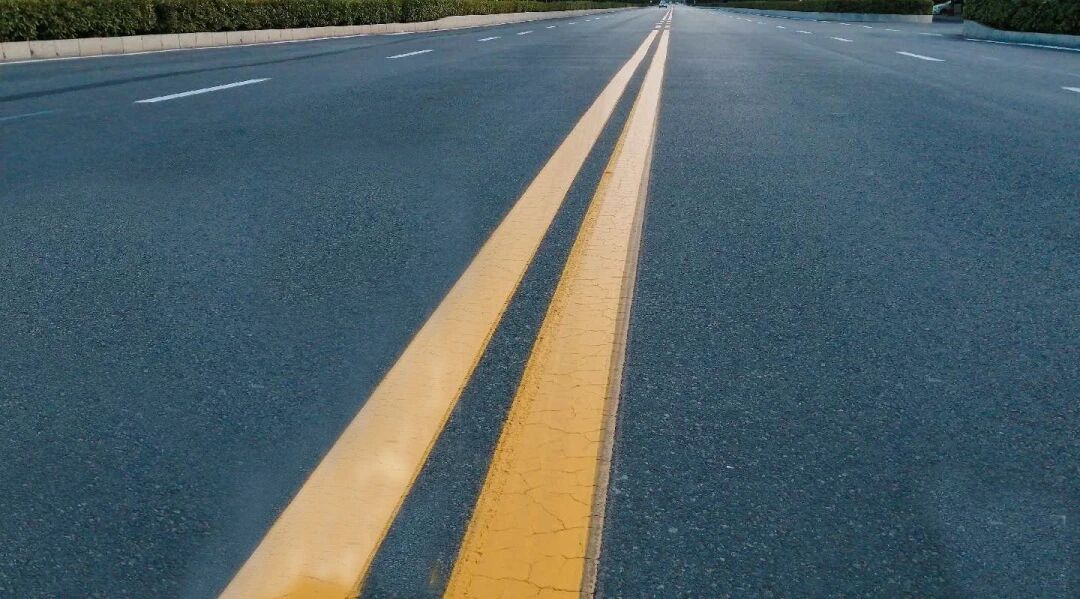
Core risks: Low temperature, slow curing, incomplete drying
Low air and pavement temperatures in winter drastically slow paint drying, making this season the peak period for rework.
1. Low temperature leads to extremely slow curingWhen ambient temperature drops below 5°C, cold-applied paint cures very slowly, and uncured markings can easily pick up dust or be scuffed off by vehicle tires.Arrange construction during the warmest hours of the day.
2. Cold pavement weakens coating adhesionCold pavement prevents the paint from properly bonding to the surface, resulting in peeling and delamination over time.Thoroughly sweep and fully dry the pavement before work; sunlight exposure for preheating is recommended.
3. High winter humidity causes film whiteningCold, damp conditions lead to cloudy, dull marking films with poor abrasion resistance.Avoid construction during persistent cloudy weather or early morning fog.
Multiple thin coats beat one thick coatNever apply a single thick layer in winter, as it will form a dry outer shell while the interior stays uncured.Apply multiple thin coats with sufficient waiting intervals between layers for optimal results.
Quick Summary: Key Differences Between Summer & Winter Construction
1. Summer risks: Overheating, fast surface drying, blistering. Best practices: Avoid midday heat, apply thin coats, work efficiently.
2. Winter risks: Low temperature, incomplete curing, coating peeling. Best practices: Work during warm daytime hours, apply multiple thin coats, wait for full curing.
TATU Tips
For flawless long-lasting markings all year round:Premium results = Suitable marking paint + Ideal weather conditions + Standardized construction procedures
TATU road marking paint features stable formulations engineered for all-season construction.When applied in compliance with standard construction specifications, it delivers exceptional long-term durability.
Every quality project starts with a precise, durable road marking.
